.svg)
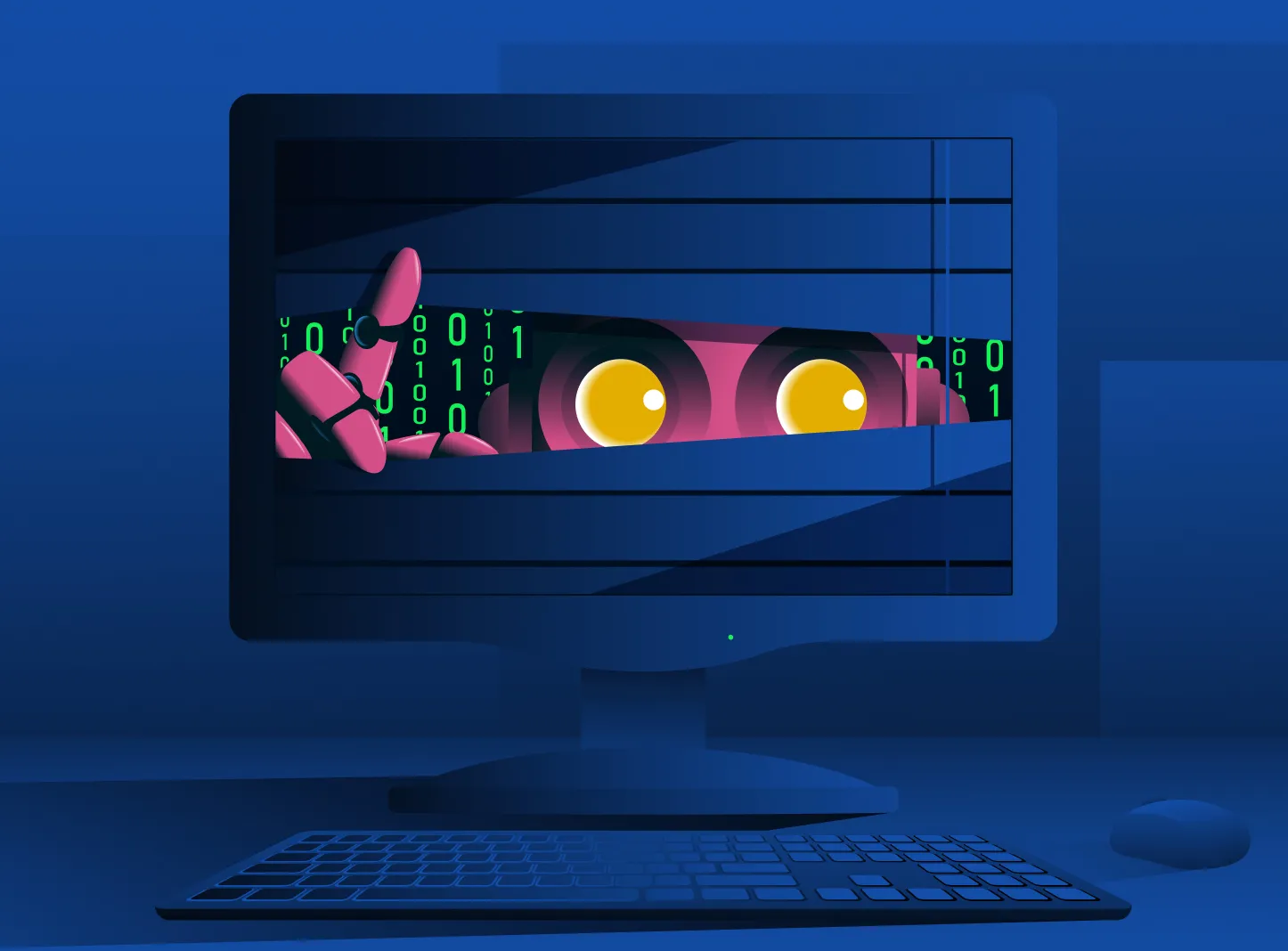

In the rapidly evolving world of technology, Artificial Intelligence (AI) has become a cornerstone for innovation, particularly in product development and user interface (UI) design. As businesses and developers strive to offer cutting-edge solutions, the allure of using AI to accelerate the time-to-market for products is stronger than ever. However, the adoption of AI in the quest to ship faster comes with its own set of challenges and ethical considerations. This educational piece aims to explore the intricate balance between speed and responsibility in the age of AI-driven development.
The AI Advantage in Product Development and UI Design
AI has revolutionized the way we approach product development and UI design. By automating routine tasks, AI enables developers and designers to focus on more complex and innovative work. AI-powered tools can analyze vast amounts of data to provide insights into user behavior, preferences, and feedback, which in turn, can be used to tailor products that better meet user needs. Furthermore, AI algorithms can rapidly prototype UI designs, test usability, and predict user reactions to different interfaces. This unprecedented speed and efficiency have made AI an indispensable tool in the tech industry.
But At What Cost?
Despite the clear benefits, the rush to leverage AI in the pursuit of faster shipping can come at significant costs. A primary concern is the potential compromise on product quality. When the focus shifts predominantly to speed, critical elements such as thorough testing, quality assurance, and the integration of human-centered design principles might take a back seat. Additionally, relying heavily on AI risks creating products that lack a personal touch or fail to address nuanced human needs, resulting in a diminished user experience.
Moreover, ethical considerations cannot be overlooked. AI systems are only as good as the data they are trained on, and biased data can lead to biased outcomes, perpetuating stereotypes or excluding certain groups. The complexity of AI algorithms also raises transparency issues. The ‘black box’ nature of some AI systems can make it difficult to understand how decisions are made, potentially eroding trust among users.
Striking the Right Balance
Finding the right balance between leveraging AI for speed and maintaining product integrity is crucial. Businesses must adopt a responsible approach to AI integration, ensuring that technology augments rather than replaces human input and creativity. Prioritizing ethical AI use, promoting transparency, and committing to unbiased data collection and analysis can mitigate many of the risks associated with fast-tracked development. Involving users in the development process and incorporating their feedback continuously can also ensure products remain aligned with human needs and values.
Conclusion
AI offers tremendous potential to streamline product development and enhance UI designs, enabling businesses to ship faster and stay competitive. However, this pursuit of speed must not overshadow the importance of quality, user experience, and ethical considerations. By consciously choosing to balance the benefits of AI with a commitment to responsible and user-centered design, companies can harness the power of AI to create products that are not only innovative and successful but also ethical and impactful.
As we continue to advance in the era of AI and technology, the dialogue around the costs and benefits of AI in product development and UI design remains ever-relevant. The challenge lies in navigating these complexities thoughtfully, ensuring that we harness AI's power wisely and with consideration for the broader implications on society.

.webp)